


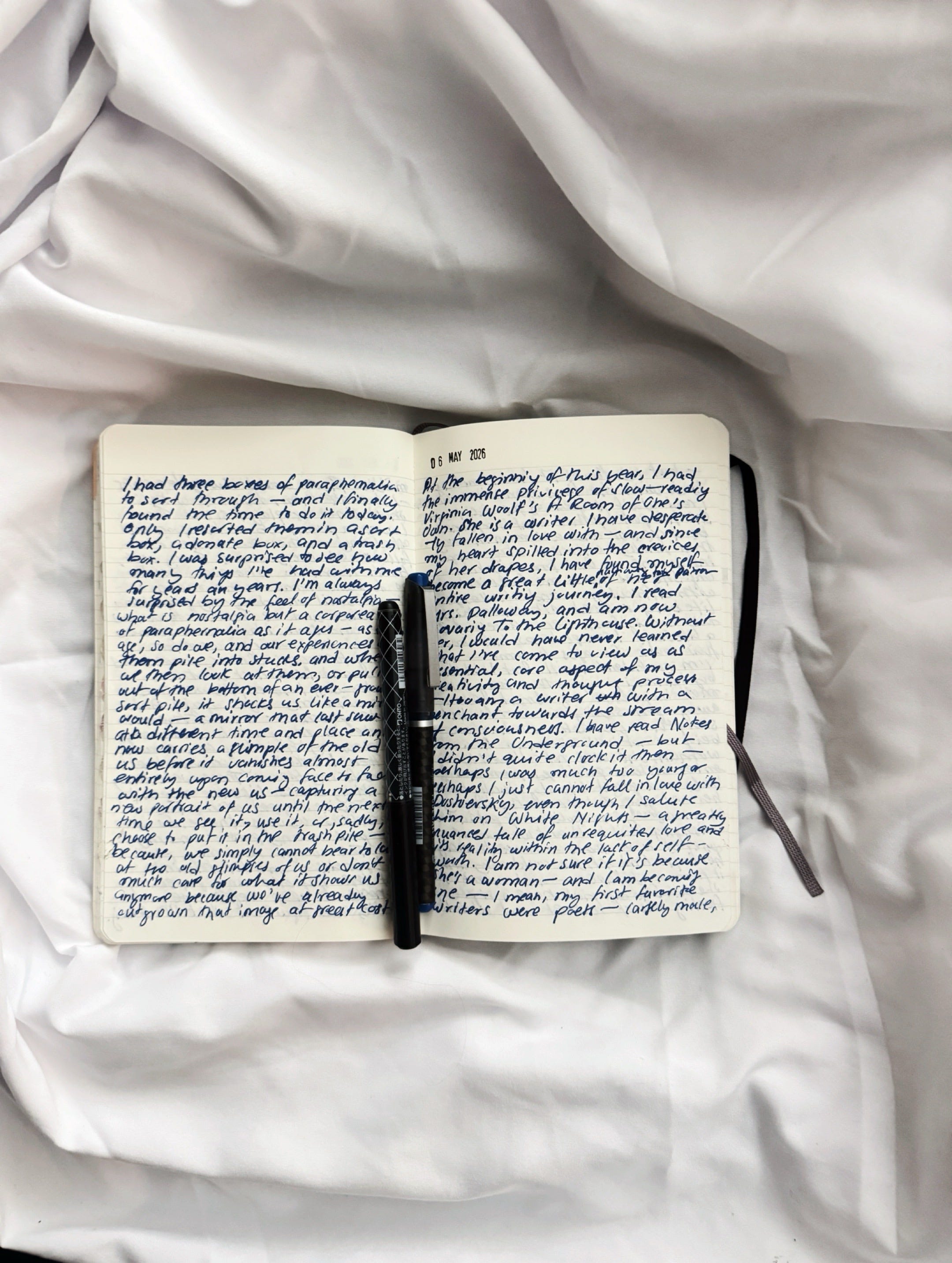
And after two decades, I still bend over my notebook, pen in hand. Like a loom, my handwriting manages to keep spinning like silk, pulling bales of thoughts down; then the thoughts unfold, unravel, and unwind — like the silvery, wispy substance that wizards used the tip of their wands to siphon off as excess memory to store in a basin, into which to stick their heads in later to relive old memories at will.
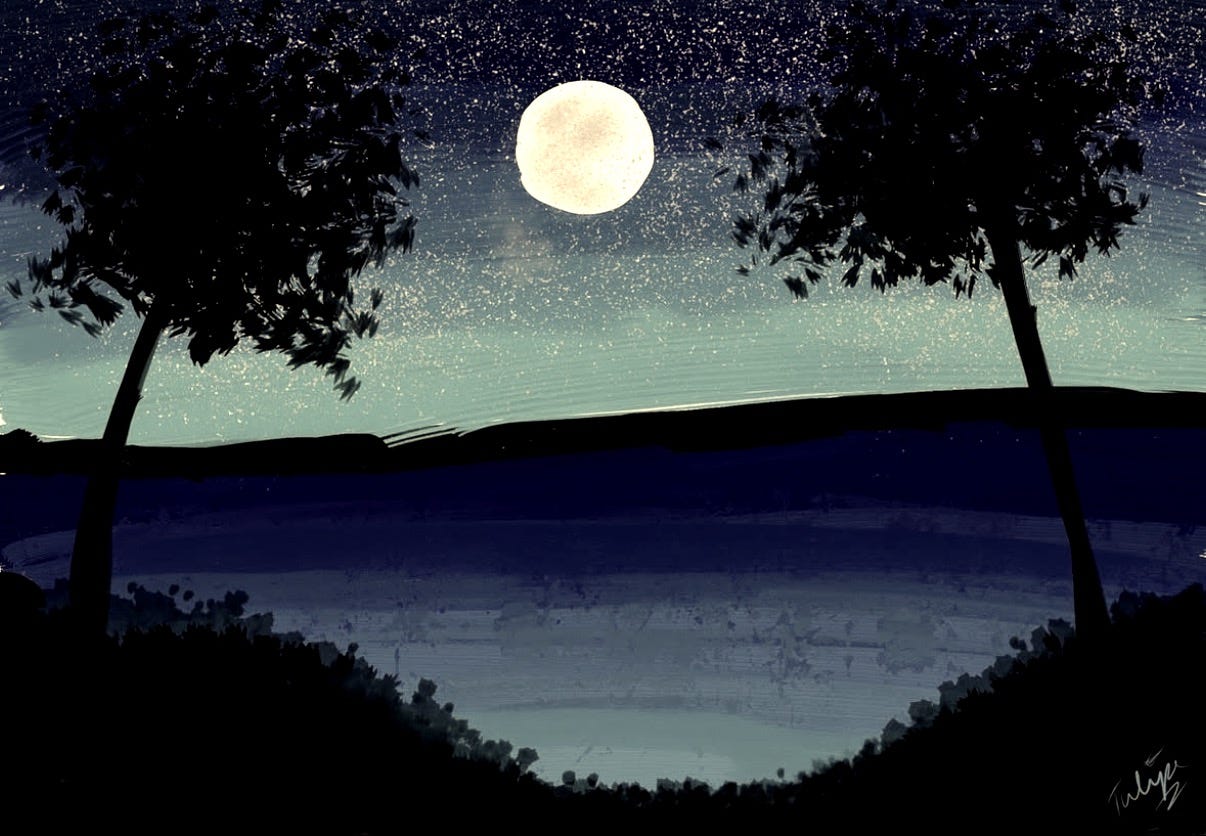
When I was four, I’d shove my head out the car window and watch the moon trot faithfully behind us like a poltergeist. From home to wherever my Mom, my Grandma, and I happened to go, the moon appeared overhead, dutifully. When Grandma died, we moved closer to my school. Soon, I was swaddled in homework, and Mom retreated into even more work. Later, she got a big diplomatic posting, and we began flying a lot — and I stayed buried in books all through that, too. I think Mom and I coped with Grandma’s death the same way. There remained little window to stare at the moon anymore.
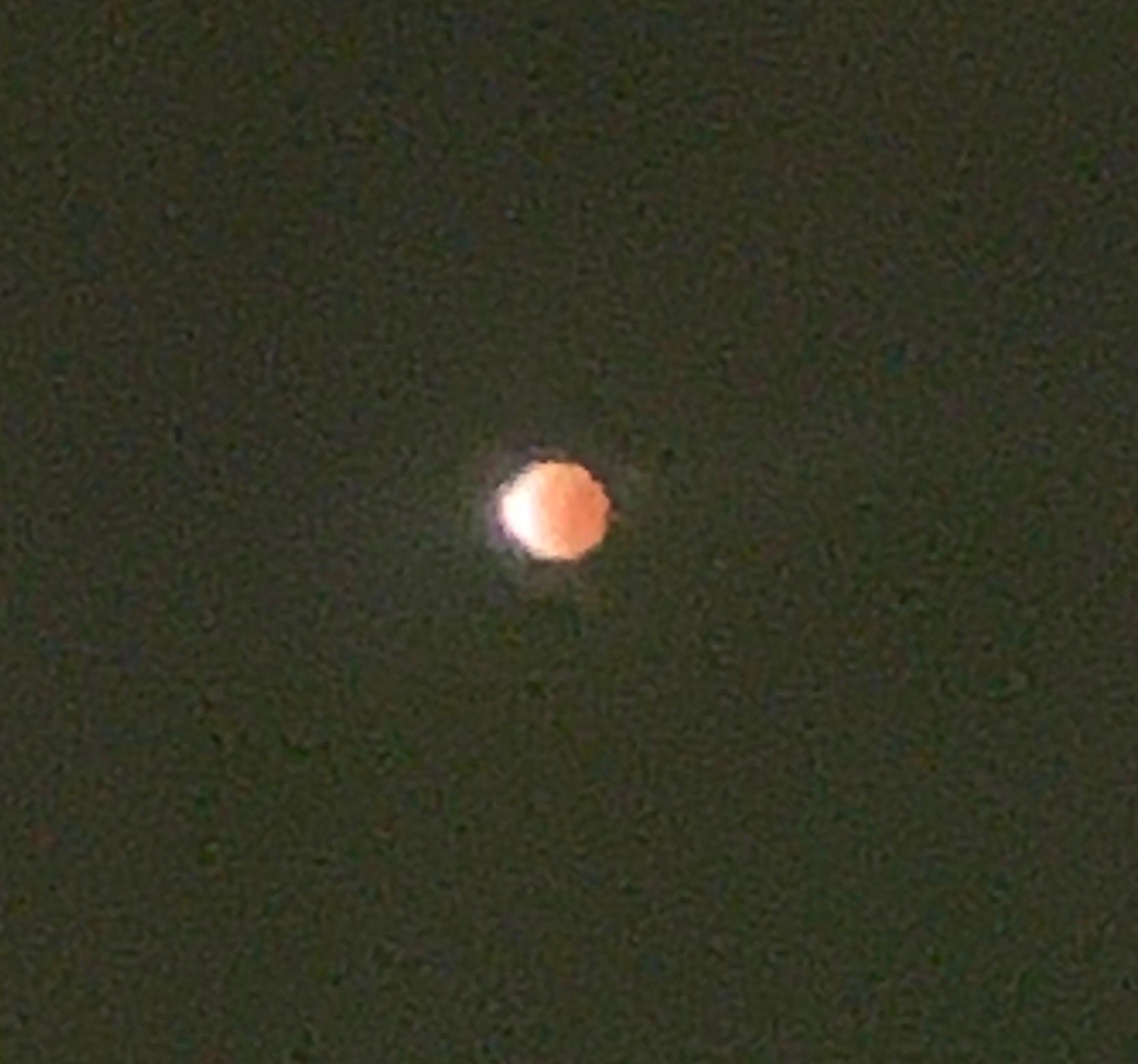
And so for the next two decades, I mostly stopped — beyond a glimpse, a loose glance, or to take a shabby photograph, which mainly looked like a lens smudge, never capturing the moon’s tender majesty the way the naked gaze would, or a painting.
My grandmother had artful handwriting. Even today, if we find a scrap of paper with Grandma’s handwriting, my Mom, like a child unwrapping her first Barbie, squeals: “Oh, Mother! Amma’s handwriting!” When I find anything with my mother’s handwriting, even an envelope with my name and address, I stow it away in a memorabilia box. I am less of a squealer, but bear the same blood and sentimentality in its own right.
I share half my mother’s genes and a quarter of my grandmother’s, and the pool gets smaller and smaller every generation. But it’s hard to imagine my children and grandchildren alike won’t long carry our combined phenotypes.
Things and people vanish; castles become museums; handwriting becomes typewriting. But is anything new under the sun? Everything is a reliquary. The alleles of the past are too stubbornly placed in the strands of our existence.
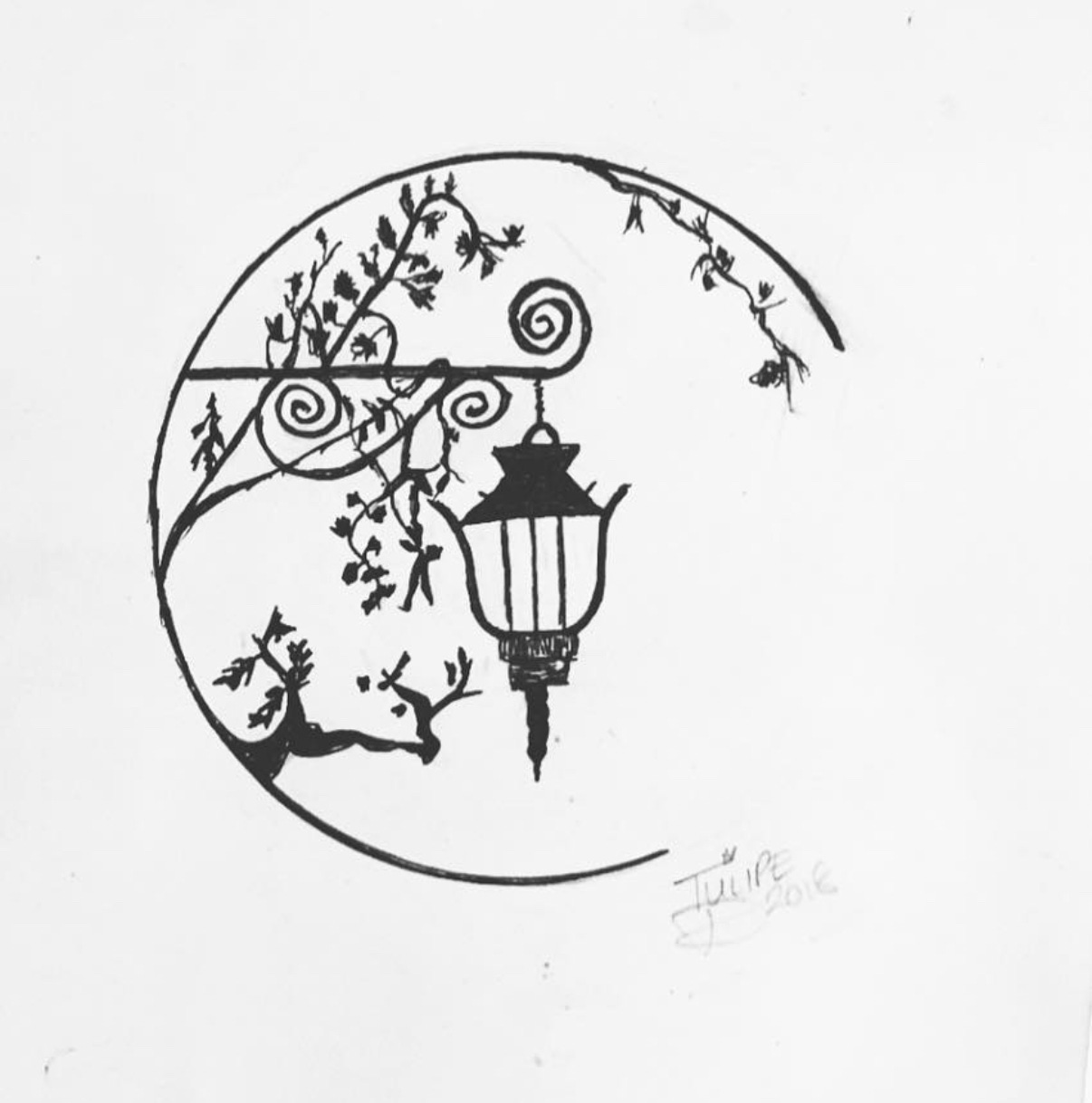
Unlike some old habits like tracking the moon, my habit of writing by hand has not been affected by life’s ineluctable circumstances. I bet even Barbara Cartland has had to cap her pen and fold her notebook close at times — but I have kept kicking that old soda can down the road again and again until it has become a constant companion whose hand you hold in perpetuity, like a girl holds a doll. If not words, then sketches.
I have found that these cans on the road of life, like old habits and passions and desires and plot ideas, whether we keep kicking them or not, remain on the sidewalk. No matter how time unfolds, or how the makeup of the place changes. Sometimes, the cans are stuck together, and a kick could liberate them. Like an idea for a poem or a plot. Sometimes, my foot simply needs to kick to see how far it can send a particular can down the road.
I am not sure I ever really let go of the moon either.
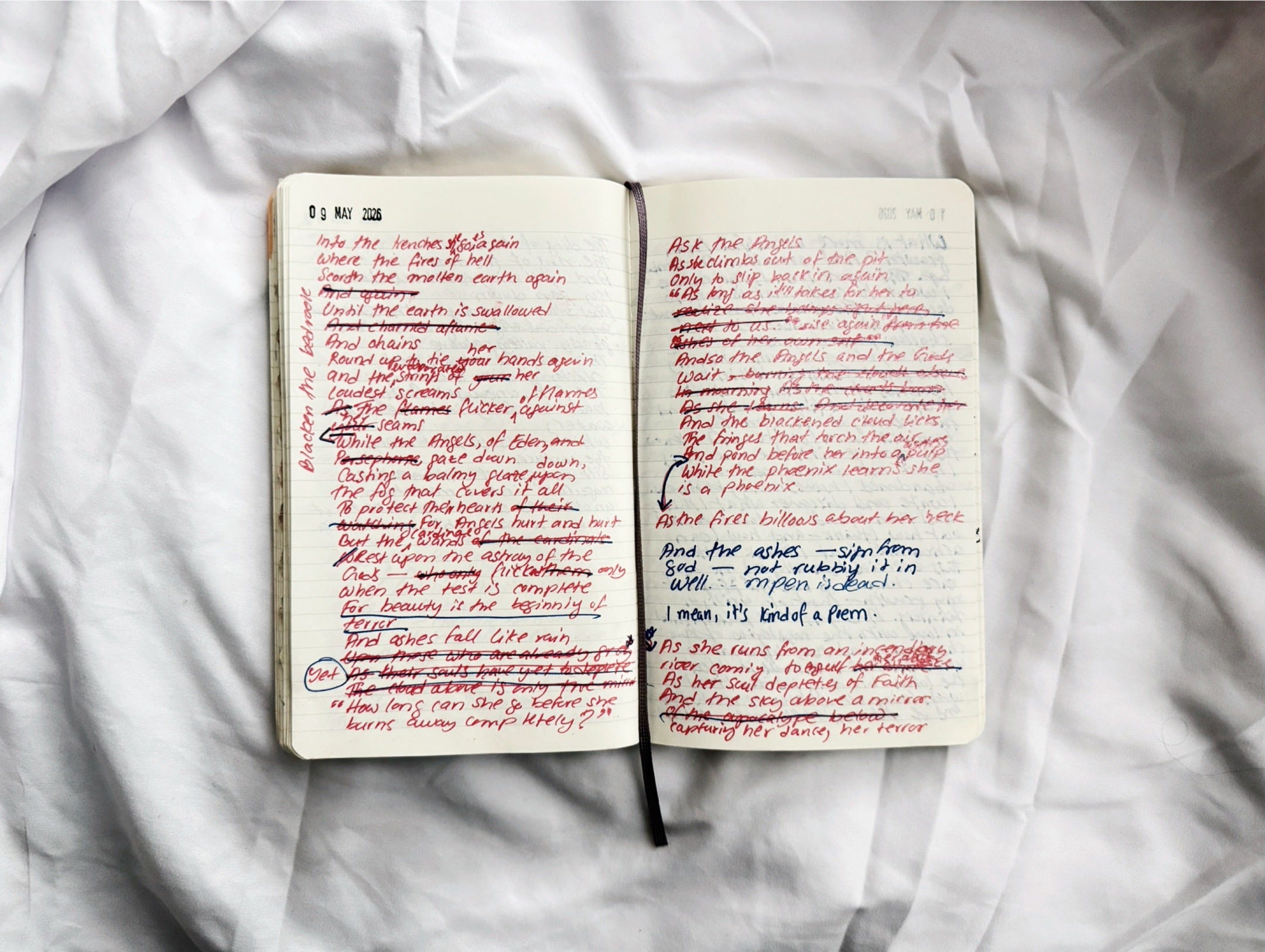
I went to Highland Park over the weekend — and sat inside a cafe called Comet Over Delphi, as influencers with blonde hair, boyfriend jeans, long boots, and plump lips sat taking photos on their phones, looking like aliens infesting a lost world. I was thankful for the air conditioning. Outside, it scorched so hot, it burned my eyes. No visible clouds, no sparrows. Inside, the cafe’s cool sheet-metal walls, stone counters, and minimal wooden furniture were aglow almost entirely with the blinding sun gushing through the open cherrywood windows, where several people sat. Laptops were open. A few read books and newspapers. Dads in baseball caps held their boys, waiting for their orders. Two pale, Scandinavian boys with gold chains, salt-blonde hair, and ripped jeans stood in line behind me, discussing types of milk. Almond milk, they landed upon after a deliberation, would go best with their matcha. I placed my own order, sat at a stone tabletop, opened my notebook, uncapped my pen, and began to write. I was, of course, the only one doing such a thing. I saw a man in a Yankees cap sitting at the communal leather couch area — Final Draft open, typing away the dialogue of what looked like a script. I wondered whether he lived nearby or drove all the way here, 14 miles northeast of Los Angeles, and his Mid-Wilshire studio apartment, through the Four Level Interchange, to write his Hollywood movie. As several others typed away on their screens, feeling awkward but doing a good job of squashing it, I hand-wrote a poem in dark red brush ink about a girl falling in the pits of hell, clambering to get back up and climb back out, but failing (I’m not necessarily sure what inspired this line of ideation) — as my partner parked the car and stood in line to order his turmeric latte.
Not two years ago, my partner’s go-to caffeine choice was a Starbucks chai latte, or whatever birthday-cake-flavored cappuccino or equivalent he could point to on the menu. Once upon a time, his idea of Chinese food was orange chicken and adding soy sauce to things. Today, if you inquire him about his favorite Chinese food, he’d say, “Szechuan or Cantonese?” Since dating me, he has become wonderfully snobby. And yet every now and then, he’ll crave the simple stuff. Like a turkey and provolone sandwich. Just like every now and then, I would switch out a more Cali-fresh gourmand affair for whatever rare delicacy I grew up snacking on, usually a jackfruit, guava, or pitha. My partner is lucky — his simple nostalgic stuff is cheap and Americana and widely available. Mine tend to cost me, even in Los Angeles, an arm and a leg.
As the man with the Yankees cap deleted an entire section of his script and began to retype it, I wrote another section in my poem. About what it looks like for Gods and Angels to look down upon humans on earth. What must they be saying when someone perseveres without help? Grieves? I wrote several coagulated lines about Angels weeping and Gods reassuring them that such is the course of life, gazing down upon the young woman as she fails to pull herself out of the abyss of pain and grief with an impassioned look on their faces.
Then I put my pen down for a moment, looking about me.
My partner and I like to get away from Los Angeles sometimes. Not for the sunshine-drenched lattes at the Comet over Delphi. Not for a patio brunch and raspberry spritzes at Highly Likely, a converted restaurant a few blocks away from the cafe that was once an old architecture firm. Nor for Shorthand, a boutique stationery store that sells beautifully curated, functional desk tools, custom notebooks, and high-quality letterpress greeting cards — where I get my brush pens from. Not for any of those things, really. But just to get away — as Joan Didion would say, “from ourselves.” Think about something else for a bit.
Comet Over Delphi’s single-color metal and stone makeup, Highly Likely’s matted forest green entrance, and Shorthand’s color-block merchandising were things you saw on the inside of the stores that loomed anomalously along the weathered and variegated Figuera Street, one after another, pavement cracked and warped on the outside, storefronts luminous and pristine on the inside. The picture on the outs unrecognizable, as old relics of the neighborhood where these new establishments now stand, is found everywhere. Murals deck every wall of every thin alleyway, plashes of paint and patches of asphalt lie angrily freckled across every buckled sidewalk, where street vendors kick back and sell clothes and jewelry in vibrant shades of color.
Much like the Mosque–Cathedral of Córdoba — where, beneath Moorish arches, stands a Renaissance cathedral built into the center of a former Iberian mosque (which itself was once a Visigothic church) — when one visits Highland Park, one does not know what it is, but what it’s been.
And what it’s been is a community of a very different makeup. Where have they gone? No one has told me. But one senses that it is possible to alter the character of a place — commercially densify it even, like the flippers of Highland Park have so successfully since the turn of the 21st century — without doing away with the afterimage of its former self: the haphazard splotches and impassioned imprints left behind by its former dwellers (or perhaps they are still there, hiding somewhere) in the neighborhood’s nooks and crannies, or spray-painted across storefront windows in bright yellow: “gentrifier!”
But I suppose that is part of the rebranded neighborhood’s charm and wile.
So there I sat, in this lost but beautiful neighborhood, somewhat marooned in its own borders, writing a poem about God and Angels looking down upon sad humans. I scratched out several lines, added new ones, starred a few bits, and scribbled tidbits onto the next page. By the end, it looked like a mad, messy mar of red and black ink, like the markings of a persnickety schoolteacher. But inside was, hopefully, a poem about how the Gods did not intervene, in this particular poem’s world, because the young girl was fated to rise from her own ashes — waiting to discover that she had been a phoenix.
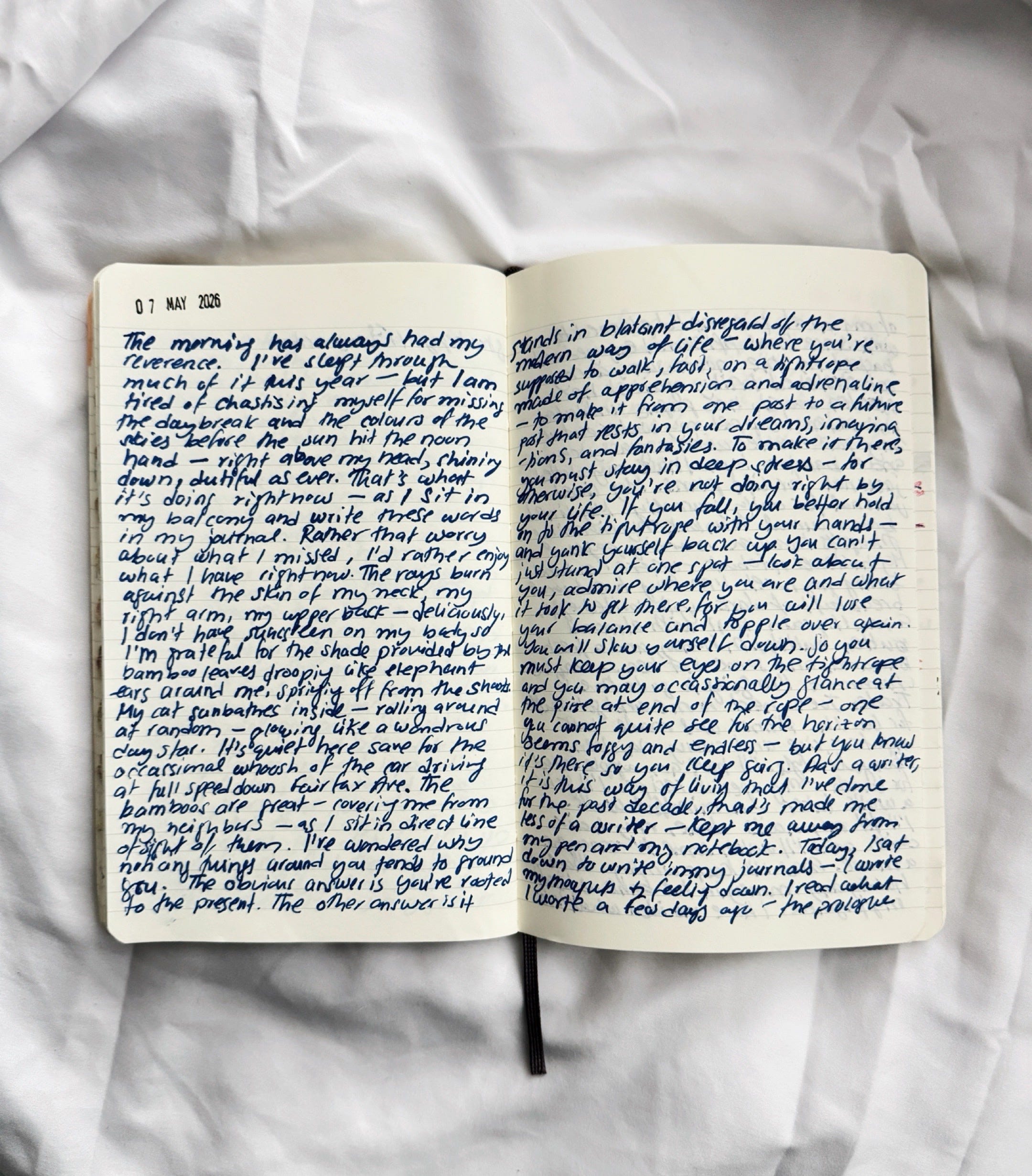
The can I’ve kicked the longest is gripping a pen. Over the years, the way I have gripped my pen has evolved — rather like a punctuated equilibrium than a slow, gradual conversion.
My earliest grip was a quadruple grip. The middle finger pressing down on the pen as the other three fingers hold it up in place. The words looked simple, evenly spaced, straight letters with clear strokes and round, wide proportions and open counters in the letters o, d, and a — and they never blurred together. At some point, it evolved into a friendlier, more stylish register. Narrower proportions, thinner strokes, letters spaced more tightly, and distinctive curves leaving long tails behind. The result of a two-and-a-half grip — where my thumb moved away from the side and under my forefinger to press over my forefinger instead, introducing a slant on my words, with letters rolling over and conjoining. When exactly it evolved into this grip, I couldn’t tell you. But I suspect it was an amalgamation of years of writing by hand.
My partner, to this day, splendidly maintains a sturdy quintuple grip — full fist, five fingers. He does not consent to sharing his sample on this essay, but not because he does not write pretty, which he does, but because he’s shy.
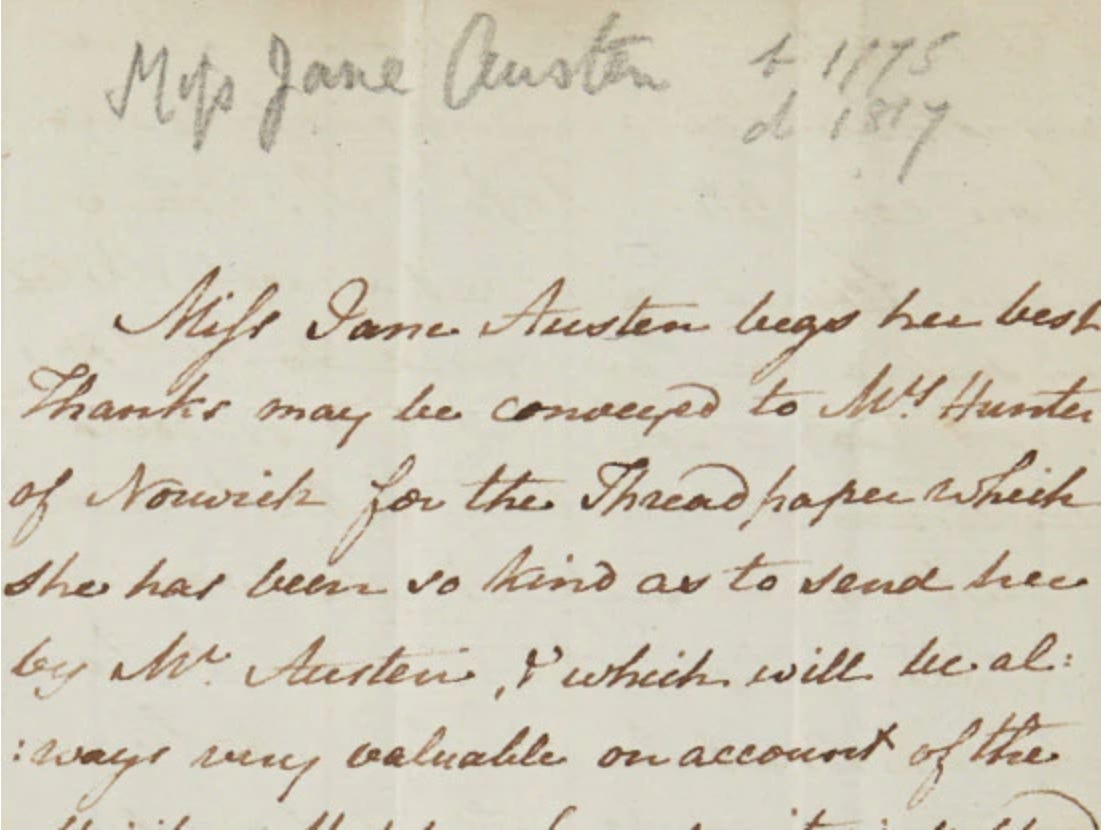
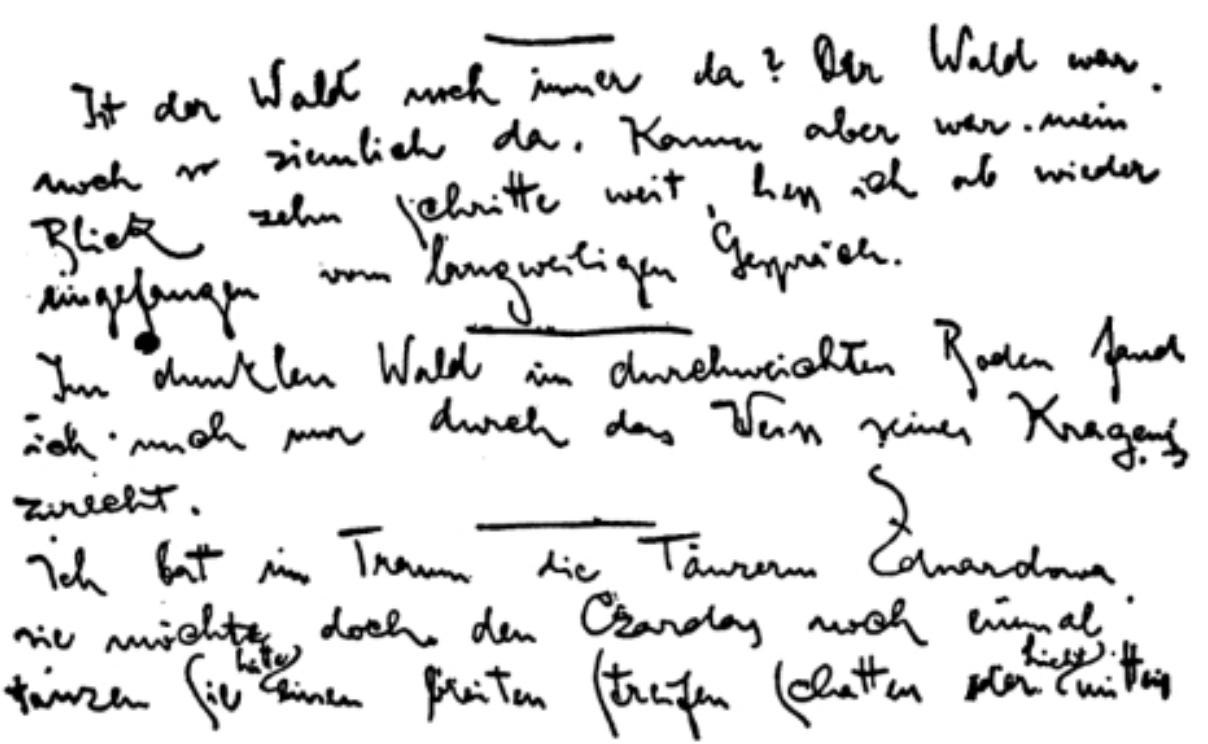
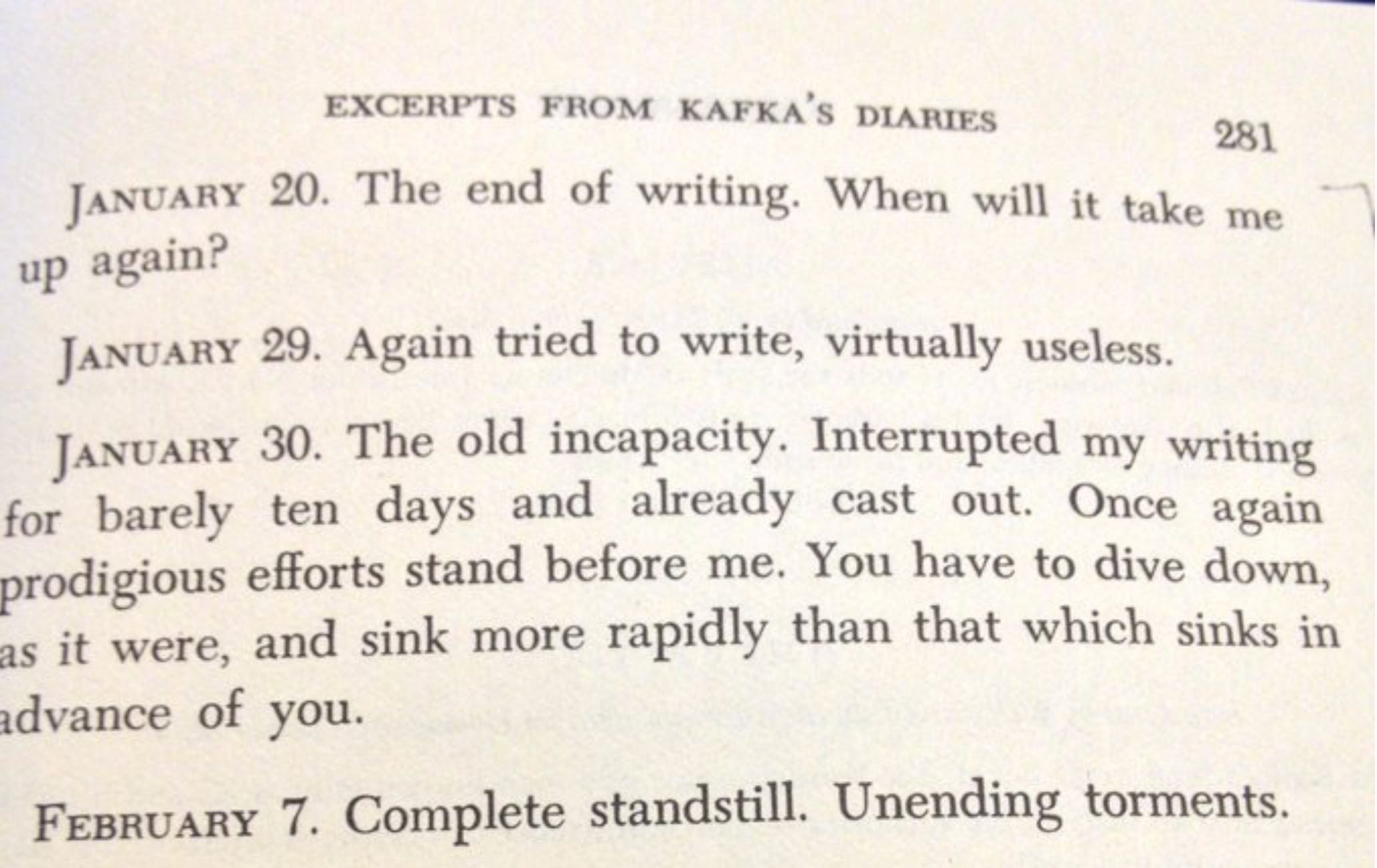
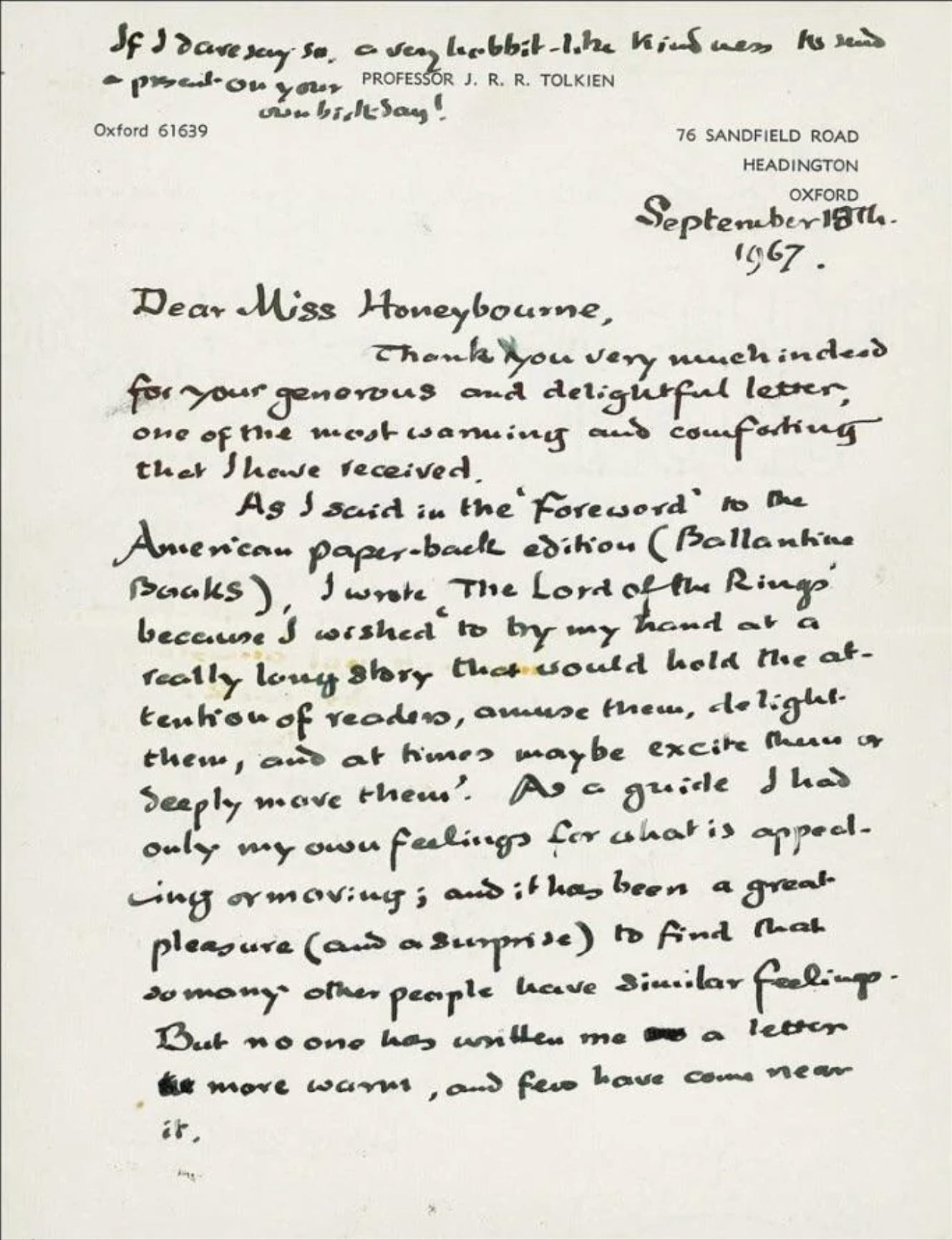
Until the next evolution of my handwriting, the two-and-a-half grip is how I let the ink wet and slide upon a paper today — any paper in any notebook I choose to open before me, to write, so I can figure out what I’m thinking, what I want to be thinking about, in ways I cannot while doing anything else.
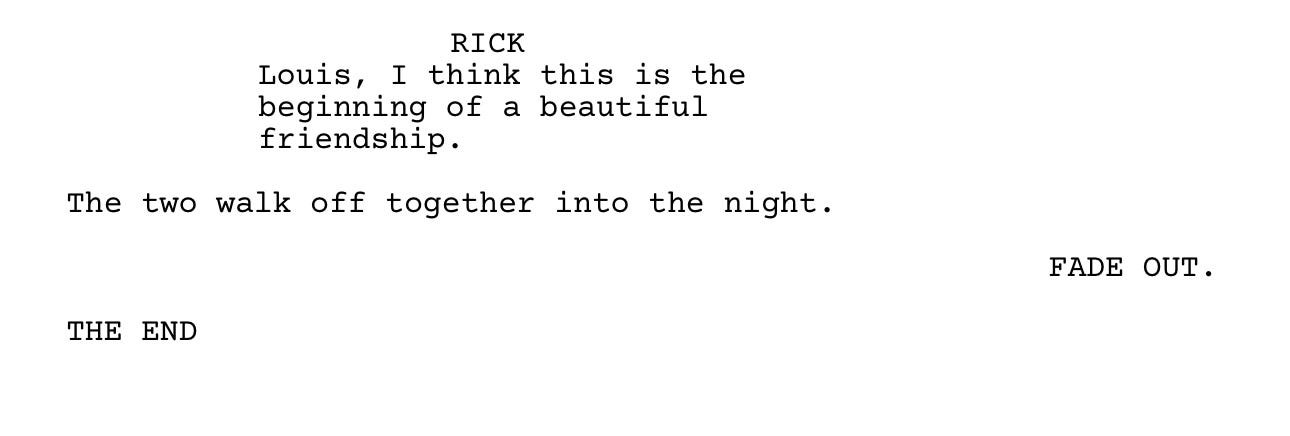
I looked over in the direction of the man with the Yankees cap, as a shard of aluminum glared off his MacBook into my eyes. He had, by now, retyped the section he had deleted, and had deleted and retyped several more since. I saw his heading, his actions, his dialogues, his intercuts — a scene in motion. It’s dawning on me how pretty it looked. The light black Courier 12-point, monospaced, against a white sheet. Bearing the click-clack aesthetic of a typewriter. The font of old FBI reports and mid-century newspapers. An intimation of newsroom clatter, old computers, cigarette smoke, yellowing paper, census forms, ink ribbons, and coffee stains.
The modern-day slick and smooth is a pastiche, dull and boring without some borrowed archaism. Without the engravings of its past, it’s a night without stars, a book without annotations, a cathedral without candles, and a coastline without tidemarks.
My partner came over and joined me, holding a delicate-looking, milky, pale-yellow drink with perfect one-inch ice cubes in a lowball glass. It looked like something out of the post-century. He looked pleased with himself and swelled proudly as he offered me a swig.
We finished our lattes. Watched a new wave of people enter the cafe — all from out of town, likely Los Angeles or nearby Pasadena. In the 40s, most of Highland Park’s upper-crust residents flocked to relocate to Mid-Wilshire and the San Fernandino Valley. I wonder if they returned to see what they had left behind, and whether they remembered anything of what it had been.
I wonder if my grandchildren will ever find this making of a poem and put it inside a memorabilia box under the tagline “what the hell is grandma talking about here.”
I closed my notebook and put my pen away, and we drove back home to Los Angeles. Back to ourselves.
I no longer look out the window the way I did as a child, though it is not as if the moon was not always there, suspended above the city the way it always was, no matter which city I went to. What else would explain the poems I’ve written over the years, almost all of them about the moon, one way or another? The paintings and sketches that decorate my notebooks? Or that the way gods and angels look down upon humans is not so different from the way the moon’s light bathes us? Not so different from the way I have felt, all my life, that my grandmother was looking down on me whenever I’ve sat down to write?
Excellent way of writing an article, illustrating the importance of hand writing even today
This is so beautifully written ! I enjoyed every bit of it. You really brought your childhood and the neighborhood of Highland Park to life.