


prelude: if you’re new here, i write essays but i am also an art curator at heart: so read me, and walk through a museum of my favorite themed art pieces curated for you. let me know your favorite.
preamble
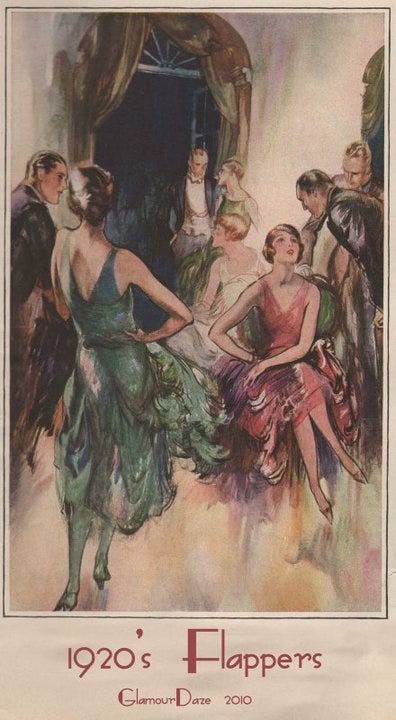
the modern twenties are not the roaring twenties. the roaring twenties were loud. the war had ended. four empires had fallen. people went out. they drank. they danced. they spent money and stayed up late. economy soared and excess was embraced. big parties, big swings, big music. cities filled with people and new anxieties. even films were full of wonder. (‘twas the era of the wizard of oz!).
writers took risk because the old rules no longer held. hemingway. stein. picasso. modernism took over art and literature in its pursuit of something new.
and none of it did last. by 1929, it was over.
in contrast, this decade began differently. at the jumpstart, public life closed and pushed everything inward. social circles grew smaller and the culture turned cautious and personal. there was far less appetite for spectacle. and far more for the likes of “minimalism.” the difference is hard to miss.
i made a list of such shifts.

an emotional weather report of the modern twenties
the decade is past its midpoint and when i look back at the beginning, i’m struck by how much has changed.
i can only start with my own life. i began to observe more closely than ever before. i started noticing thing hanging off trees, the way people spoke, the ceiling. i began to slow read. in putting together my weekly reading guides, i read the papers and journals for hours and tried to pay attention.
i’ve been consuming the classics as well. a lot of postwar classics.
oh, and for the first time since middle school, i started to write everything i was doing down.
so when i looked back at my notes, i tried to connect what i was seeing on the page with what was changing in my own life, and well, society.
several patterns emerged that i think largely capture the current cultural mood. some of it might be familiar from previous decades when i may not have been old enough to track them. but researchers, journalists, and other observers have noted these shifts as well.
read them below.
emotional shifts
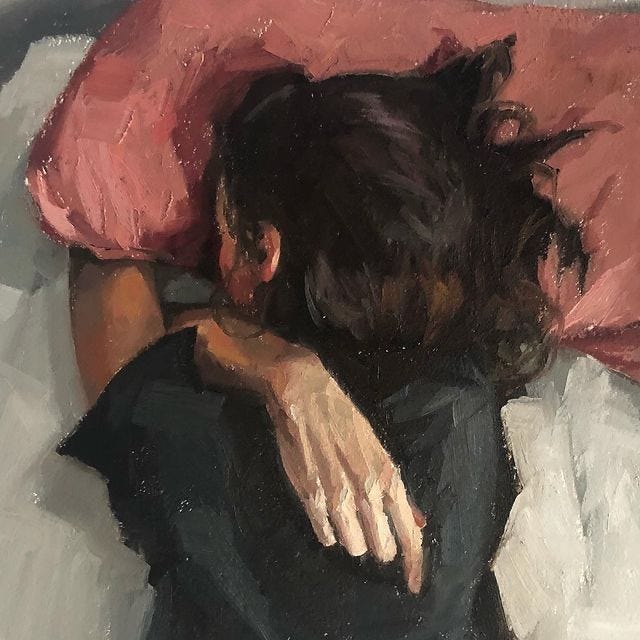
many people across communities have been redefining the word “boundaries” for a while. these limits now seem clearer, more personal, and more respected. people are prone to move at their own pace. if people are pressuring others to respond on their timeline, they’re seen as violating other people’s autonomy around time by treating their urgency as an obligation for others. they are imposing their pace instead of respecting yours, creating pressure instead of consent in communication, and mistaking access to you for entitlement to you. there’s a sense of inwardness and personal space in the emotional air. even anxiety has taken on a quieter tone. people are giving themselves more time to understand their emotions, and offering that same patience to others. the conversations around feelings have become less about senseless debate and more about sensible understanding. not everyone is adjusting at the same pace. in response, many find themselves turning inward and even disappearing at will to find that much sought-after steadiness. the patterns:
emotional minimalism
fewer emotional demands necessary to stay steady. e.g. responding to people only when ready and able.
selective emotional openness
people sharing more honestly, but with clearer limits.
chronic tiredness
a steady background exhaustion that carried while continuing to function.
emotional ambivalence
neither despair nor optimism but more a suspension between feelings, something close to neutrality. perhaps even emotional paralysis.
acceptance of limits
people no longer pretending they could keep up with everything and starting to organize their lives around understanding their capacity — without apology.
ambient anxiety without panic
a low, steady unease replacing acute fear.
delayed emotional processing
feelings often arriving weeks or months after the events that caused them.
lower emotional bandwidth
people managing fewer relationships, fewer projects, fewer inputs at once.
social & relational shifts
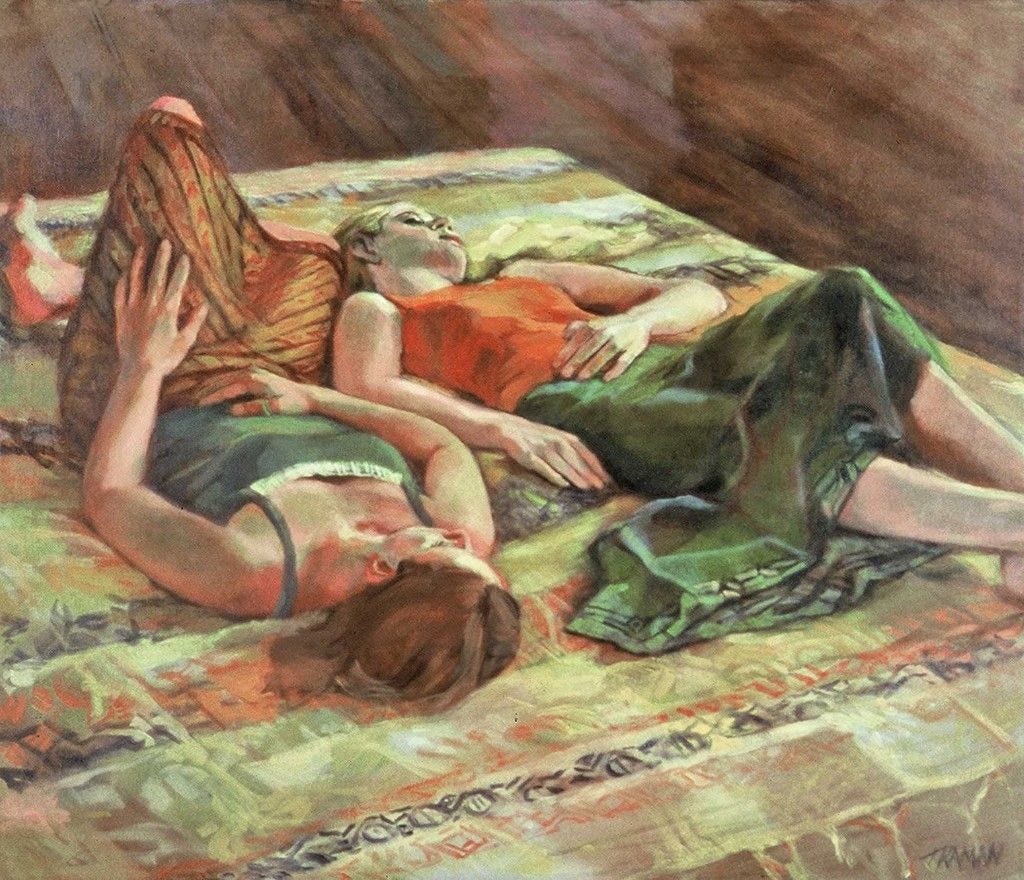
the way people relate to one another has changed in subtle but meaningful ways. people are adjusting to new pressures, new rhythms, and new understandings of what they could realistically sustain once public life slowly opened again. many found themselves redefining what connection meant out of a desire for healthier, more manageable relationships. social life became less obligatory and more intentional. if you didn’t want to hang, you didn’t. people offered what they could, asked for what felt reasonable, and stayed closer to what was within their capacity. this is similar to the previous list but more outward-facing.
practiced boundaries
unanswered messages, fewer commitments, smaller circles.
reduced emotional availability
less emotional energy to offer
low-intensity friendships
simpler and less demanding, prioritizing continuity over constant closeness.
shrinking social worlds
smaller, fewer, and more intentional.
quitting of social roles
stepped back from identities and expectations they could no longer sustain.
simple refusals
saying no indirectly, gently, or by not engaging
reduced appetite for debate
many opted out of argument, discourse, and constant opinion formation.
decreased tolerance for emotional chaos
volatile dynamics and unpredictable relationships felt harder to justify.
sincerity over spectacle
less performance, more presence — authenticity mattered more than visibility.
cognitive & attention shifts
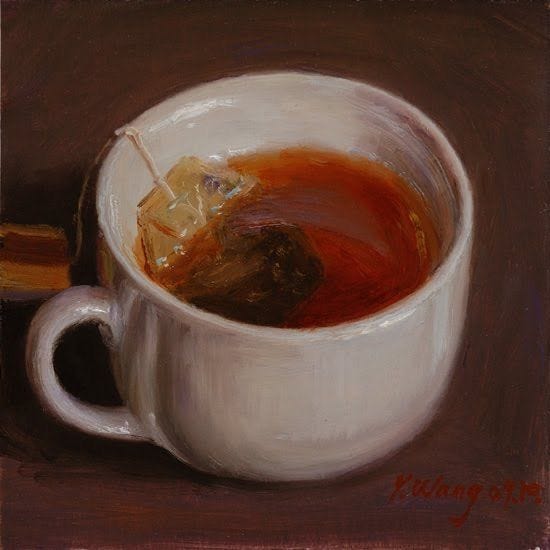
many people, yours truly included, began experiencing a noticeable shift in how they think, focus, and process the world around them. the absence of sustained focus and attention is becoming impossible to ignore. urgency is a thing of the bygone era. it is becoming necessary to slow down and enrich the inner life again.
attention loss awareness
conscious of how difficult it is to focus
gentler content preferences
shorter, calmer, lower-stimulation
decline of optimization faith
belief in “productivity systems,” hacks, and relentless self-improvement weakening noticeably. people seeing that these were nonsense that the proletariat inherited from the elite — so work is for the working class, and leisure is reserved for the elite class.
return of the inner life
reading, journaling, thinking, and being alone. doing it all slowly.
loss of urgency tolerance
everything feeling “important” became emotionally unsustainable.
desire for predictability
routine, familiarity, and repetition.
preference for continuity over novelty
what is reliable feeling more valuable than what is novel.
non-performative self-knowledge
less interested in explaining themselves and more interested in understanding themselves privately.
self-trust
decisions being made with more personal judgment and less reliance on outside voices.
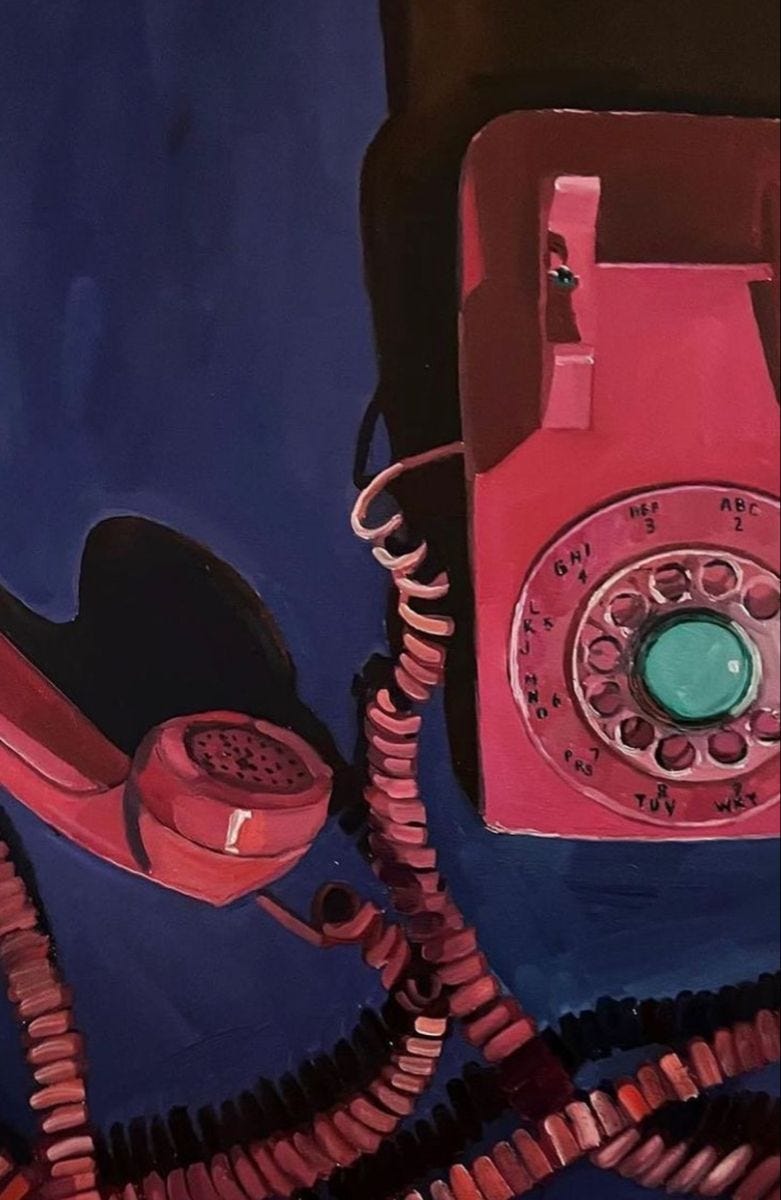
cultural shifts
mood shaped by what people consumed
people beginning to notice that whatever they took in each day had a direct effect on their mood.
cultural fragmentation
the big collective moments thinned out as people are settling into narrower, more personal worlds of interest. a few shows or stories still pulled people together, but they were exceptions.
controlled visibility
slipping out of view without explanation — and returning without ceremony — turned into a common form of self‑protection in a world that watched too closely.
less faith in being seen
visibility no long an evidence of worth. stepping back feeling healthier than staying in sight.
private meaning‑making
journals, notes, and personal archives became more important than public declarations.
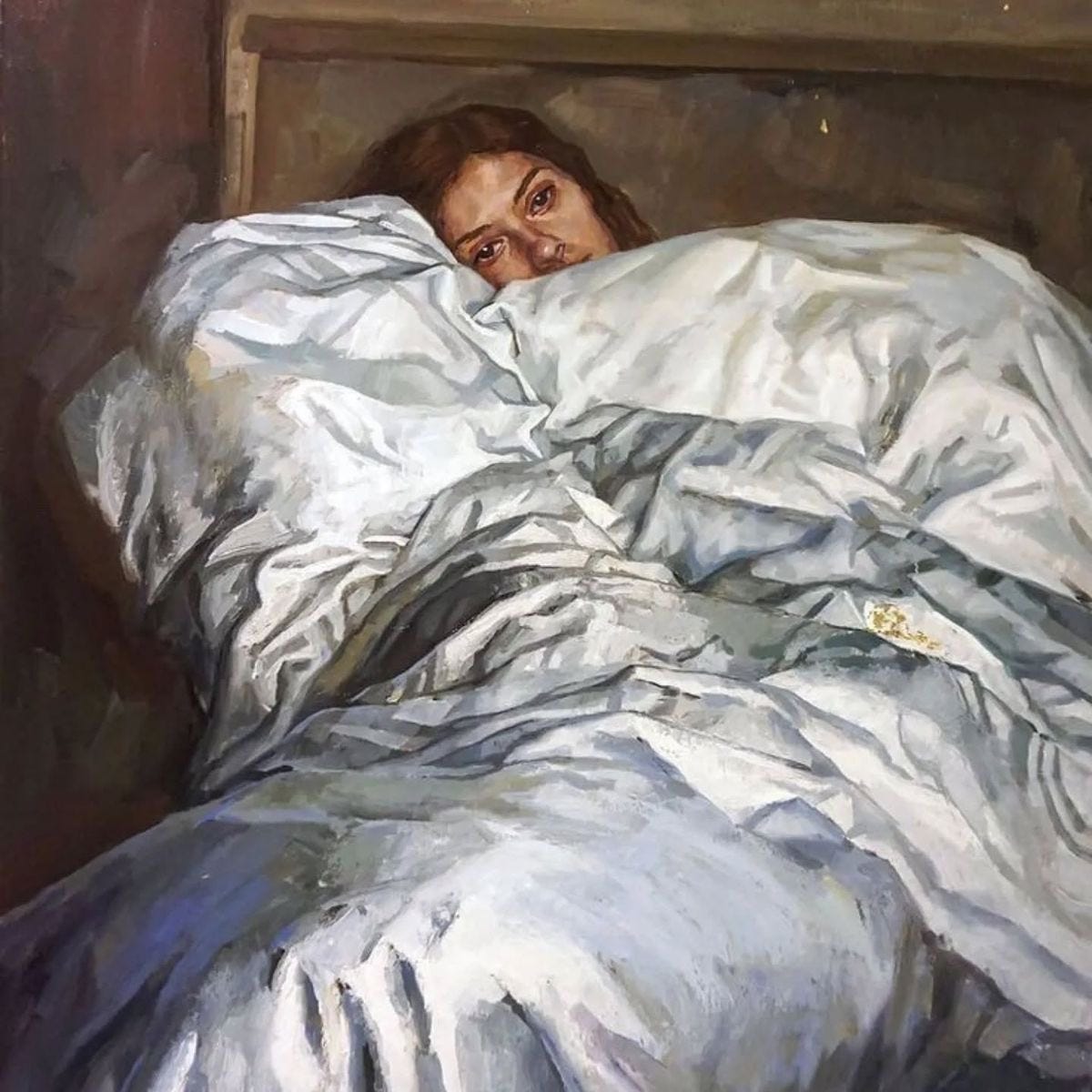
aesthetic & behavioral shifts
once the pace that once felt normal started to feel draining, the push to always do more started losing its appeal. instead, people are focusing on what keeps them steady — rest, comfort, familiar routines, and anything that helps a person stay grounded, protect energy, and stay stable and intact. ambition is becoming more intentional.
rest as necessity
rest lost its old association with indulgence and is becoming the basic fuel people need to keep themselves steady.
protective softness
comfort, coziness, and gentle aesthetics — what were once decorative, are evolving into actual forms of emotional protection.
slowness as relief
moving slowly feels grounding instead of shameful.
regulating nostalgia
turning to old music, films, and memories is helping people regain their footing. analog habits are returning.
energy triage
choices are increasingly made based on capacity rather than obligation or aspiration.
maintenance thinking
care, upkeep, and continuity replacing growth as the primary mode of living.
smaller ambitions
ambition scaling down. goals becoming realistic and tied to everyday life.
choosing steadiness
stability becoming a conscious, preferred value rather than a default condition.
staying intact
meaning moving toward preservation rather than endless transformation. in a culture that once worshipped reinvention, simply staying intact is becoming the main stance.
My hat goes of to you tremendously gifted lady. This is way off my spectrum though so well written it held my attention. I enjoyed the read! Thanks!
Skål!!
Hrafnar Árgeir
Alright, I’m stepping into this museum, boots echoing on the floor, and here’s the thing you nailed (by grabbing my attention) the mood of this decade without trying to dress it up or sell it back to me as a lifestyle brand. That alone is a minor act of rebellion.
This isn’t nostalgia porn or trend forecasting. It’s a field report from the inside. What you’re describing isn’t people getting “soft” or “withdrawn” it’s people getting honest about capacity after being run through the cultural meat grinder. The Roaring Twenties burned hot and fast because everyone was trying to forget the war that just killed a few million folks in Europe. I'm framing these twenties as being quieter because people are trying not to fracture under the weight of the stock market crash that followed in 1929.
“Staying intact” is the line that stuck the knife in cleanly. That’s the thesis. Not reinvention. Not optimization. Not visibility. Preservation. Anyone who’s lived a little (me, turning 60 this year) knows that’s not laziness, that’s discipline with scars.
The emotional minimalism, the shrinking circles, the refusal to perform urgency for other people’s dopamine habits, that’s not disengagement. It’s triage. It’s saying: I don’t owe the world my nervous system. And in a culture that treated burnout like a badge of honor, that’s damn near revolutionary. A modern-day mic drop.
What I appreciated most is that you didn’t moralize it. You didn’t tell people what they should feel. You just mapped the weather. Low-pressure. Observant. Precise. Like a solid curator and good curation should execute.
What made its way into my life? Almost all of it, especially the loss of urgency tolerance and the preference for continuity over novelty. What didn’t? The idea that this is temporary. I think this is a correction, not a phase. I could be wrong, but I am spitting my game anyway.
This didn’t feel like being talked at. It felt like walking quietly next to someone who noticed the same cracks in the walls and didn’t rush to plaster over them. I appreciate your literary patience.
Solid work. Keep curating. Spike.