


prelude: if you’re here for the first time, i write essays but i am also an art curator at heart: so read me, and walk through a museum of themed art pieces curated for you. let me know your favorite.
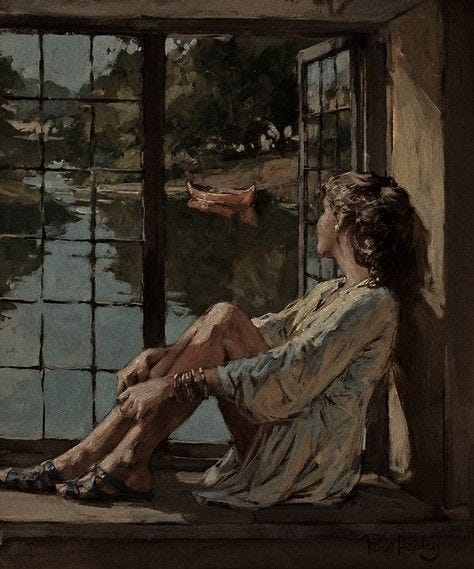
i saw a quote recently that made me realize that i have these off days when i can’t write anything — and that’s my cue to read. and i also have these off days when i can’t read anything — and that’s my cue to write. (sadly, i didn’t screenshot the quote but it stayed with me).
this past month, in curating my weekly reading guides, i have been raking the newsstands way more than ever, addictively reading every newspaper and magazine i can find to pick out the best pieces, especially those hiding in the undertow of the internet. naturally, i had careened way out of control with it. but a lot of the built-up delirium from it passed after scribbling into my journal for an hour or two.
but i also have these off days when i can do neither. i am plain exhausted. that’s my cue to get out of the house, saunter in the leeward sides of nature, call friends, drive with them to alhambra for dinner, get my nails done, and tuck into some rosy air-fried potatoes before getting under the covers to watch a slow movie as minnie makes biscuits on my back.
it can also be my cue to go on a date.
in between our individually swamped lives, my partner and i try to date each other a lot. and we’re all tinsel and dimples when we do it. we cook. we camp. we go to the movies. we drive around the canyons listening to podcasts about our civic duties. we walk and gripe about the rudderlessness of the modern city life. we vent profusely over life’s generous conundrums.
pausing life momentarily, whether to date myself or my partner, is great medicine to cure long hours, sleeplessness, and over-exhaustion.
on some days, however, the only way cure is doing absolutely nothing.
this is a story about that.
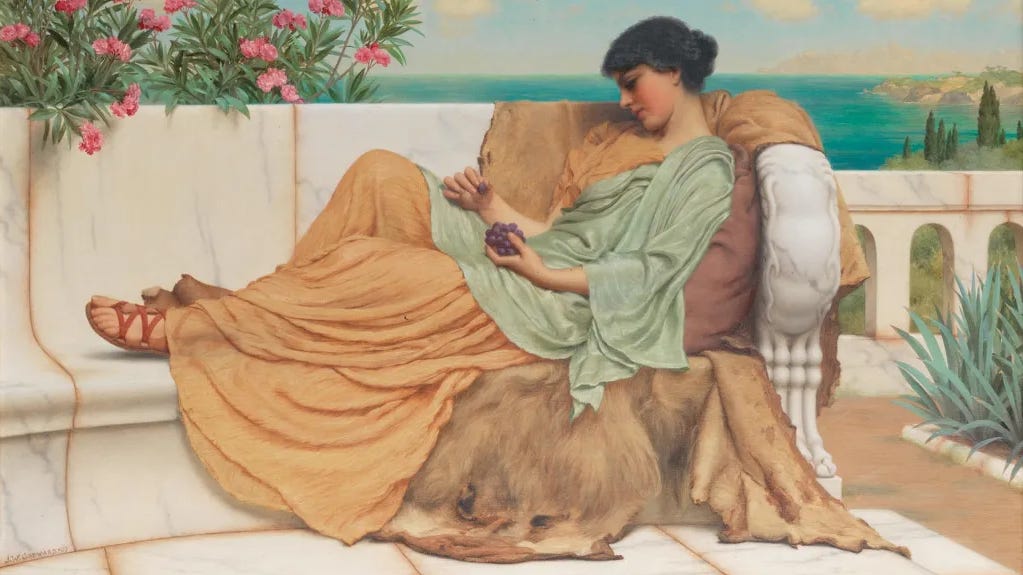
i miss “nothing.”
remember when we were babies? in bedland? and we did nothing, but lay flat on our small backs, lolling and mewling away in perpetuity and into suspended time — as adults scuttled around us, worrying about real life?
i resent the unfavorable viewing of the leisurely couch potatoes some of us later become.
we spent the formative years of our life watching the day go by. why then, when we’re no longer holding feeding spoons, is it required to retire from all things lackadaisical like there’s something terrible about it?
while the slow philosophy is not the new yorker — yet, wink wink — i, from my dinky apartment in southern california, will say it today for the internet to scoop up — busy is not cool anymore.
if you think the growing concern of performative reading, cognitive decline, death of humanities, and having a boyfriend is bad and embarrassing— i should add to your list that busy is worse.
the culture of busy should be dead, and the busy bee should retire as the busy community’s mascot.
we’re so good as a nation at canceling shabby trends. why hasn’t anyone denigrated the frenetic images of a hustling, bustling, harried, pressed person’s flattened life overloaded with incomplete to-do lists, cortisol, and joylessness?
as this list decries, the point of life is to thrive, be well, and lead a meaningful life. how are we to achieve that if we are to believe all the clowns who tell us that we must kill ourselves to reach the forever-hypothetical “upper” echelons of society and life? (we don’t.)
actually, one has: nyt, david foster wallace’s kenyon speech, this reddit thread, hbs, seneca
i’m not saying that hard work and tenacity are bad things. we need to work hard to fulfill our dreams and feed loved ones. perseverance is what gives life meaning in a world that grants a whole lot of pain to a whole lot of us dwelling in it. camus said that “the struggle itself is enough to fill a man’s heart.”
what i am alluding to are the fallacies of the mindless, performative “busy” that keeps us busy. the kind of busy where you work spills into the holidays — at the beck and call of someone equally clueless — even though it makes no real difference. the kind of busy that relies on bad stress to keep up the illusion of good work, good yield, and good living.
in nicomachean ethics, aristotle teaches us many wonderful greek nouns. in it, schloë, root of “school,” (leisure) means dedicated time towards study, friendship, music, politics, and philosophy. in fact, in politics book viii, he testifies that leisure is in fact the goal of civilization.
today, we borrow leisure from the toils of daily labor rather than labor to allow space for more leisure. this paradox has stretched so far that it’s etched itself into our worldview — to the point that “too much of leisure” is frowned upon, mostly by ourselves.
the point of life is to enjoy it. imagine feeling guilty about it.
in my exaggerated reading sprees as of late, i have actually learned a great deal from writers talking about their writing lives. annie dillard, in the writing life, says that real work is very monastic. meaningful work is lonely, slow, and unspectacular. helen fielding in her recent interview with the paris review cites deliberate, patient observation as one of her most reliable writing practices.
a writer, as with any calling, must live and experience, and be able to draw from them.
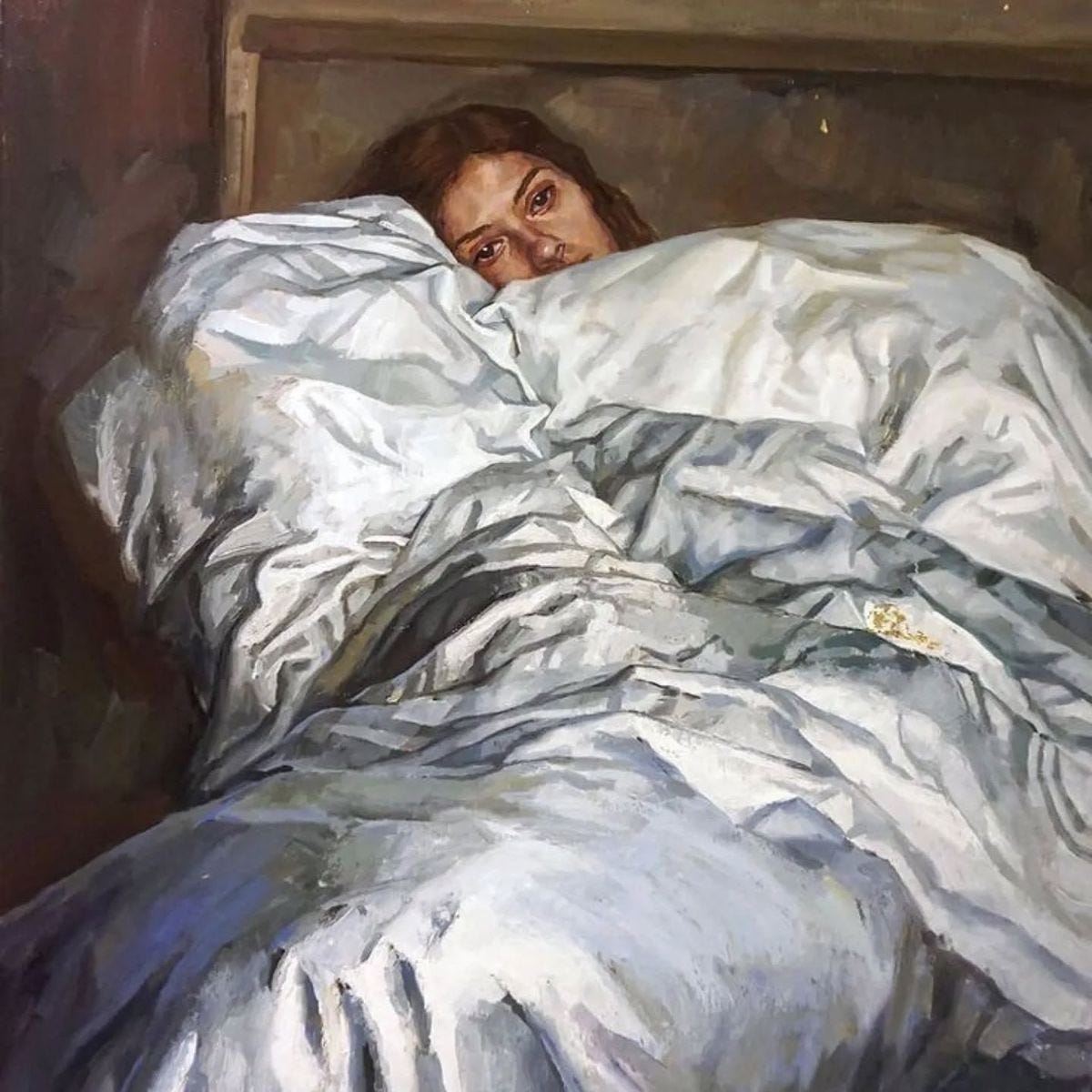
as seen last week, literacy is declining. even the rare birds who do read, are now resorting to performative reading. (such is the residue of our vain, image-conscious world). and so, to fight this, it is encouraged, logically, that we read more.
sure, but reading alone will not undo the damage. we also need space — to unwind and be able to think critically.
we need space to do nothing.
every time we have “space,” we can’t use it to read a pdf of one of joan didion’s essays, no matter how essential they are. all “space” can’t go towards throwing a dinner party. all “space” can’t go towards “doing something adventurous” like driving westward to big bear lake for a weekend camp-out to “achieve” being more outdoorsy, or driving eastward to ojai for a hearty visit to an olive oil farm, or flying out to tokyo to experience your own lost in translation and “seeing the world, before you die” — ignoring the reality that you are desperately bone-drained and haven’t slept in days.
to those asking us to read more books to undo the brain decay, all the “spaces” in our lives also cannot go towards finally finishing your dusty copy of infinite jest or divine comedy. undoing the brain-rot also requires a break from reading.
plus, you can’t finish that stuff in one sitting, week, or even month. it takes time to absorb a classic. i don’t know what anyone is talking about when talking about having read a 100 classics a year. it took me one and a half years to read don quixote, because that is the right way to read a fucking cervantes — it’s not emily henry or abby jimenez or taylor jenkins reid. (no hate to those brilliant girls — but i can read them in like, a day. and they agree with me.)
“space” needs to be space. it needs to be allowed to be empty

to learn how to do nothing, we need to learn why we don’t do much of it in the first place.
cillian murphy once said in an interview that his steely disposition makes it seem like he’s living a boring, dull life — which is what he tells people he has. but in reality, he lives an intoxicating, exhilarating life. but he is okay with people thinking otherwise.
why do we have such a hard time with that?
it has to do with our society’s children’s distorted sense of self-worth.
in his 1932 harper’s essay, in praise of idleness, bertrand russell casts long shadows on the “constant activity” as well, especially as a factor of moral worth.
as soon as we stop being lolling babies, we learn to tie our self-worth to external perceptions even before we learn to tie shoes. instead of focusing on what we should be focusing on: self-trust, learning to inhabit life deeply, growing of our own terms and volitions, and deciding which frostian road to take (and knowing that it makes no difference) — we are forced to perform in our own lives for the world to pat us on the back.
your self-worth is inherent. it is not tied to anything else. it is definitely not tied to some random person in society going about the ruddy business of scrutinizing your life, silently controlling you to live up to his dreary expectations. expectations that were, sadly, handed to him as well, to which he too tethers his entire life and sense of self-worth. a putrid cycle.
the only person you need to worry about is yourself. if you can’t respect yourself, your choices and behaviors, especially when nobody is watching — you cannot make meaning and inner joy, no matter how many pats on the back you successfully solicit.
as st. augustine said in confessions: “our hearts are restless until they rest in You.” we can debate what You means here, but fuck it, i say it means you.
incidentally, cillian is way ahead of us.
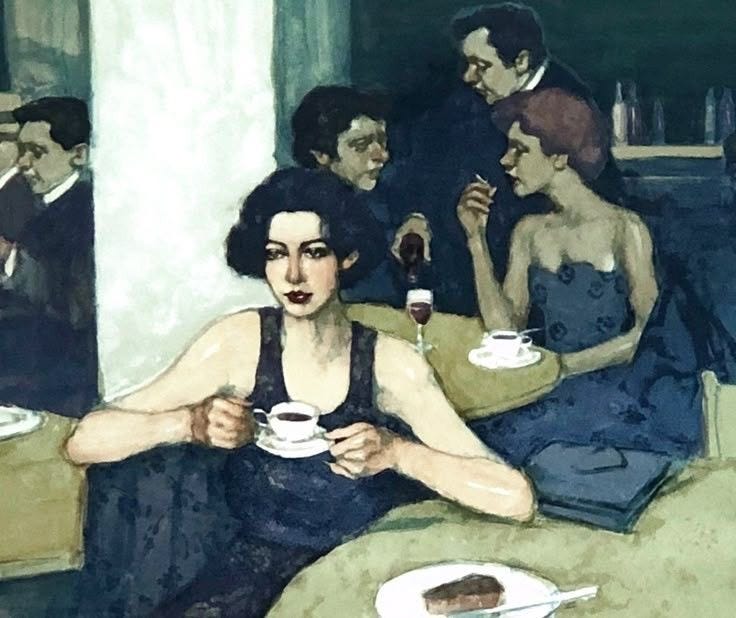
i began reading the tao te ching some time last year. this 2,500-year-old book is so dense that every time i read one of its short chapters, i am compelled to sit with it for months, legs folded into the padmasana.
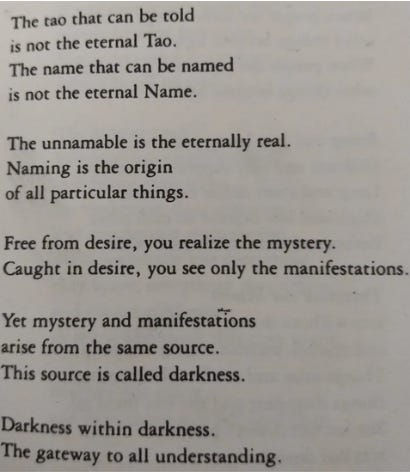
taoism is a philosophy of the natural order. as part of nature, we must act in harmony with our earthly realities — not in frantic opposition to them, which is what we do when we act against our inner harmony. wu wei demands that we stop centering our life on the fabricated ideals of ego, fear, and societal pressure and do things that flow well with our souls.
you will know when you are in congruence with the flow of life when you experience a swelling sense of stillness like never before. i felt this tonight at dinner.
i wanted to put this down as an example of doing nothing, so i tried it out: i ordered a cup of hot water (japanese restaurant, thankfully, so it was not weird) and just watched the steam rise.
i watched it billow furiously into the air. i watched its minuscule clusters of bubbles form van-goghish swirls on the surface. i watched as it slowly simmered down, and stopped.
my verdict is: it was profoundly calming, stilling, and necessary.
hard work is not heroic bursts that hurt your body and mind and soul, but ordinary consistency over long time. we are what we repeatedly do. “excellence, then, is not an act but a habit.” and we lose a lot more than we gain by following the lore of “be busy.”
as i laid out early on, i have begun to rely on solitude, stillness, and life’s many jollities to achieve what’s important to me: the discipline of living by my own standards and values, being well, and doing well — onto myself and unto others. to do this, i had to unlearn many old habits.
how does one know if one has succumbed to the fallacies of automatic living, aimlessly “doing” so as not to feel useless or (my favorite) “waste your life away?” i have the following theories.
if you can’t be alone — and constantly need to surround yourself with people and the rungs of someone else’s agenda, you have succumbed.
if you feel uncomfortable in the face of peace and quiet — and need to fill every waking minute with something, because the feeling of “nothing” scares you, you have succumbed.
if you feel guilty for having a moment of leisure or dormancy, because you think you should be “doing something important,” even though you’re exhausted — you have succumbed.
and that’s okay. so have we all.
and that’s why i know it’s reversible.
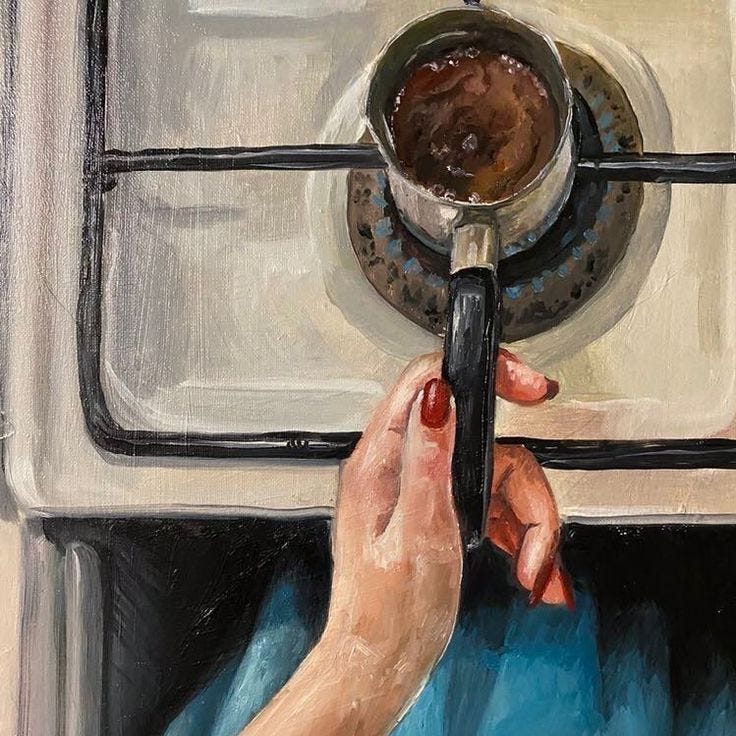
to reverse it, we need to get comfortable doing absolutely nothing. to do that, we must start doing things with no output.
busy minds hate the quiet because it brings up old feelings and unanswered questions. (the current universal reflex to this is scrolling in paralysis). let your body see that you have nothing to fear from unfilled spaces by sitting with silence. fight these false thoughts: “i am valuable and worthy of love only when i’m helpful and useful. if others are unhappy with me, i am not valuable and worthy of love.”
you are valuable and worthy of love simply because you exist.
while you’re doing nothing — which, as we can now say, is actually everything — it’s okay to feel guilty. let your body see that you can survive it. don’t justify leisure. let it exist as a neutral thing. remember, this is the goal of civilization. and you are an important member of our civilized times.
let’s kill busy — both the mechanical, exhibitionist busy of the weekdays as well as the “obligatory”, if-i’m-not-partying-i’m-not-living-even-though-i’m-zonked, and my-great-american-novel-isn’t-going-write-itself busy of the weekends.
let’s normalize doing nothing — i promise you, you will notice a difference — which is what i’m going to do next, as i’m exhausted again. i can’t wait to go stare at the ceiling.
20 ways to do nothing:
- stare at the ceiling, no phone, no timer, no intention
- sip your tea, no need to reflect on life
- go for a walk, no step goals, no podcasts, no new music friday (leave your phone home)
- lie down on your back, on the floor
- look out the window and just watch
- pet an animal just because, not for emotional processing
- eat a snack, and do just that, no multitasking
- hurkle durkle: roll around in bed for no reason, stretch in all the ways you want
- pick up an object and feel it
- daydream, don’t try to turn it into a novella
- close your eyes and stay awake
- watch steam rise from water <33333 (i did this today as research for this essay and it is officially my favorite new hobby. it’s beautiful. it’s glorious. do it.)
- do a chore but stop halfway
- sit in your car after parking (if it wasn’t clear already: scrolling or being on your phone is the opposite of doing nothing)
- wait by the microwave as it finishes (not directly in front of it!)
- make custard (pour whisked yolks, sugar, and salt into steamed milk. stir for 8 long minutes. no stepping away. vanilla after)
- make béarnaise sauce (requires full attention or the sauce breaks. whisk tarragon, yolks, vinegar, salt. place atop a water bath. whisk in butter — one cube at a time)
- let yourself be bored for 5 mins
- listen to a song, do nothing else
- rest your head in your hands, like you’re waiting for nothing
- let a thought pass without following it
- sit in silence with a friend
- if you’re listening to someone talk, don’t nod or respond: listen
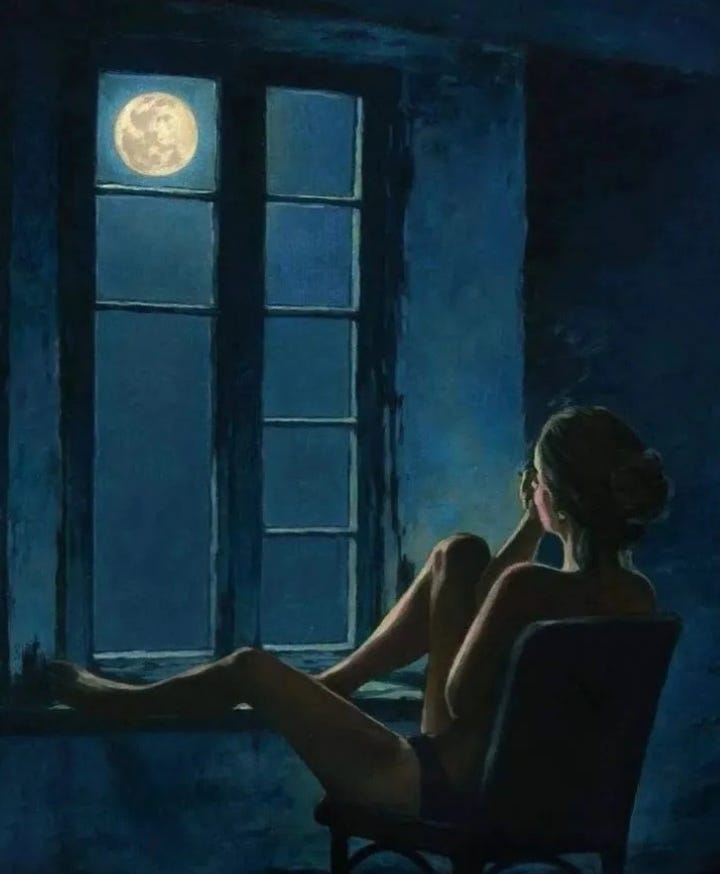
the em-dashes are my own:

It helps me realize that even doing nothing is doing something . It is less about rest and more about self-sovereignty. When the noise stops, the self begins.
This was sooo gooodddd💗
I related so hard , I mean are you stalking my mind 🤌
Def coming back to read again 🤍